Welcome To Elgouna Trips

Hot air balloon in Egypt

Article Title: The Ultimate Guide to a Hot Air Balloon in Egypt: Floating Over History

Hot air balloon in Egypt

Imagine drifting silently through the crisp morning air. You are hundreds of feet above the ground. The golden Egyptian sun slowly peeks over the horizon. Below you, the rugged desert mountains blush with shades of amber and rose. This light reveals the monumental stone legacies of the ancient Pharaohs. The silver ribbon of the Nile River winds through vibrant green fields. This view contrasts sharply with the timeless sands of the desert.

A hot air balloon in Egypt is not just another holiday activity. It is a transcendent travel experience. It allows you to witness ancient history from a breathtaking bird’s-eye perspective. Planning a trip to the land of the Pharaohs requires good choices. Taking a Luxor balloon ride should sit at the absolute top of your bucket list.

In this comprehensive guide, we cover everything you need to know about booking this majestic adventure. We will discuss safety regulations, pricing, and booking methods. You can easily experience this flight as a day trip from coastal paradise hubs like Hurghada or El Gouna.

Why Luxor is the Hot Air Balloon Capital of the World

Travelers ride hot air balloons in various scenic locations across the globe. However, doing so in Egypt presents an unmatched historical spectacle. Luxor represents the ancient city of Thebes.

Luxor is essentially the world’s largest open-air museum. The Nile River divides the city into two culturally distinct zones. On the East Bank, the living built magnificent temples to honor their gods. On the West Bank, rulers built hidden, monumental tombs to lay the dead to rest.

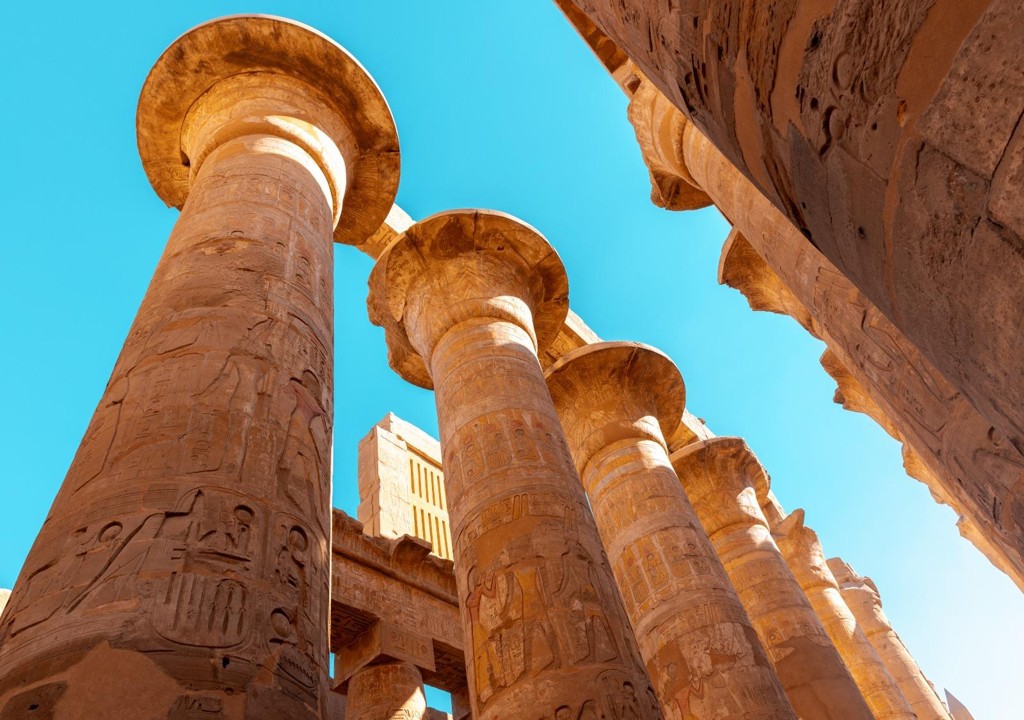
Your sunrise hot air balloon Luxor tour lifts off gently from the West Bank launch pad. At this moment, you gain an expansive, unobstructed view of both worlds. Within minutes of floating, you will look down upon the Mortuary Temple of Queen Hatshepsut. The structures nestle perfectly into the sheer limestone cliffs. You will glide past the Colossi of Memnon. These two massive stone statues have stood guard over the plains for millennia. On a clear day, the vast temple complex of Karnak on the East Bank glitters in the morning light. It offers an unforgettable panorama of human ingenuity.

The Sunrise Experience: What to Expect on Launch Day

An adventure of this scale requires an early start. However, every single second of lost sleep brings instant rewards the moment you reach the launch site.

1. The Early Morning Wake-up and Transfer

Your journey begins while the stars still shine out in the dark sky. Most tour operators arrange a hotel or cruise ship pickup between 4:00 AM and 5:00 AM. This time depends slightly on the season. Staying on the East Bank of Luxor changes the route. Your transfer will often include a charming motorboat crossing across the calm waters of the Nile. On the boat, crews serve hot tea, coffee, and light refreshments to wake up your senses.

2. The Magic of Inflation

You will soon arrive at the West Bank launch grounds. Here, a spectacular sight greets you. Dozens of colorful, massive nylon envelopes lay across the sand. They gradually come to life. Giant roaring burners blast columns of fire into the balloons. They illuminate the desert darkness with dramatic bursts of light. This is the perfect moment to take out your camera. You can capture the raw anticipation of the morning.

3. Takeoff and Flight

The pilot completes the final safety checks quickly. After that, you climb into the sturdy woven wicker basket. The liftoff feels incredibly smooth. You might not even realize you left the ground if you close your eyes. You only notice the ascent when you look down and see the ground crew waving goodbye. The flight typically lasts between 45 to 60 minutes. You drift peacefully wherever the gentle morning wind currents take you.

Hot Air Balloon Luxor Safety Regulations: Is it Safe?

When planning aviation adventures, travelers naturally prioritize safety. Over the past decade, Egypt’s Ministry of Civil Aviation has implemented exceptionally stringent safety standards. These rules protect passengers every day.

  • Rigorous Pilot Licensing: Every balloon pilot in Luxor undergoes years of demanding commercial flight training. They log hundreds of hours under expert supervision. They must pass comprehensive practical and medical exams regularly.

  • Daily Authority Clearance: The Civil Aviation Authority (CAA) must give explicit, real-time clearance before any balloon takes off. Ground teams monitor wind speeds, visibility, and thermal conditions up to the final minute. If the weather conditions deviate even slightly from safety margins, authorities promptly postpone or cancel the flights.

  • Meticulous Aircraft Inspections: Operators register and treat these hot air balloons with the same engineering discipline as commercial airplanes. Daily pre-flight checkups, scheduled overhauls, and strict service-life limits on parts ensure that you ride in top-tier equipment.

You can ensure your own safety on board easily. Pay close attention to the pilot’s pre-flight briefing. The pilot will instruct you to stand upright throughout the journey. You must hold onto the interior safety ropes during the landing sequence. Finally, bend your knees slightly to absorb the minor impact when the basket makes contact with the earth.

Planning and Pricing: How Much is a Hot Air Balloon Ride in Egypt?

Egypt offers incredible value for money. One of the best-kept secrets of Egypt travel experiences involves the actual cost. Hot air balloon flights here are among the most affordable in the entire world. A similar flight over Cappadocia or the Serengeti can easily cost several hundreds of dollars.

⚠️ Important Travel Note: We highly recommend booking your flight at least a day or two in advance. Many balloons depart daily, but the peak winter travel seasons bring high demand. Furthermore, booking an early slot in your itinerary leaves room for rescheduling. This helps if a rare weather-induced cancellation occurs.

Elevate Your Coastal Holiday: Day Trips from Hurghada and El Gouna

Many travelers flock to Egypt to enjoy the pristine coral reefs. They love the luxury resorts of the Red Sea Riviera in places like Hurghada or El Gouna. However, you do not have to miss out on the magic of ancient history. A beach vacation can still include cultural wonders.

A popular option is booking a day trip from Hurghada to Luxor balloon experience. Specialized travel agencies, such as Elgouna Trips, organize seamless, comprehensive itineraries. These packages beautifully bridge the Red Sea with the Nile Valley:

+------------------+     +--------------------+     +-------------------+
|  Early Transfer  | --> | Overnight/Rest in  | --> |  Sunrise Balloon  |
| from Beach Resort|     |   Luxor Hotel      |     |  & Guided Tour    |
+------------------+     +--------------------+     +-------------------+

These curated tours handle all logistics perfectly. They provide air-conditioned private vehicles that pick you up directly from your resort. Drivers transport you safely to Luxor. The company coordinates an overnight stay or early morning entry. They pair your bucket-list flight with a professionally guided ground tour of the Valley of the Kings. You will also see Karnak Temple before the driver returns you comfortably back to your seaside lounge chair.

Essential Tips for Your Flight

  • Dress in Layers: The desert air feels quite chilly before dawn. However, the temperature rises quickly once the sun climbs over the horizon. Additionally, you will feel a bit of radiant heat coming from the burner overhead.

  • Wear Flat, Closed-Toe Shoes: You must climb into a 1.2-meter-high basket using built-in footholds. You will stand for roughly an hour. Leave the sandals at the hotel.

  • Pack Light: Operators optimize space inside the baskets for passenger safety and comfort. You should leave large backpacks and heavy camera gear in your tour vehicle. A smartphone or a small action camera secure on a wrist strap works perfectly.

Frequently Asked Questions

What is the best time of year for a hot air balloon in Egypt?

The prime season runs from October to April. During these months, the daytime weather remains beautifully cool and pleasant.

Do operators allow children on the flight?

Yes, most operators welcome children who are at least 6 years old. However, they must be tall enough to see over the edge of the basket unassisted.

What happens if weather winds cancel my flight?

Reputable operators will always offer you choices. You can reschedule your flight to the following morning or receive a full refund.

Do you want to see the ancient world from a brand-new vantage point? Do not leave your dream Egyptian holiday to chance. Book the best hot air balloon tour in Luxor today with Elgouna Trips. Let us handle all the details from your resort doorstep to the golden sky Luxor, Luxor tours, Elgouna Trips.

The Ultimate Guide to Stargazing

The Ultimate Guide to Stargazing in Hurghada: A Journey Through the Egyptian Night Sky

The Ultimate Guide to Stargazing

Hurghada is world-renowned for its turquoise waters and vibrant coral reefs, but when the sun dips below the horizon, a different kind of magic emerges. Far from the neon lights of the resort strips lies the vast, silent expanse of the Eastern Desert. Here, the lack of light pollution and the dry Saharan air create some of the best conditions on Earth for stargazing in Hurghada.

In this guide, we will explore why the Red Sea coast is a premier destination for amateur astronomers and romantic travelers alike, what you can expect to see in the celestial sphere, and how to prepare for an unforgettable night under the Egyptian stars.

Why Hurghada is a Top Destination for Astronomy Lovers

The geographic location of Hurghada offers a unique advantage for observing the cosmos. Situated between the Red Sea and the dramatic peaks of the Red Sea Mountains, the area benefits from a “rain shadow” effect, ensuring clear skies for the vast majority of the year.

1. Zero Light Pollution

To see the stars in their full glory, you must escape the “sky glow” caused by city lights. Just a 30-minute drive into the desert from Hurghada centers like Sahl Hasheesh or Makadi Bay puts you in total darkness. In these remote spots, the Bortle Scale (which measures the night sky’s brightness) drops significantly, allowing the Milky Way to appear as a thick, glowing cloud rather than a faint smudge.

2. Atmospheric Clarity

The Egyptian desert is famous for its low humidity. Moisture in the air acts like a veil, blurring the light from distant stars. In the Hurghada desert, the air is crisp and bone-dry, which minimizes atmospheric distortion. This results in “steady” stars that twinkle less and reveal more detail through telescopes.

What Can You See in the Hurghada Night Sky?

Depending on the season of your visit, the Egyptian sky offers a rotating gallery of ancient constellations and planetary wonders. Because Egypt is located relatively close to the equator, observers can see a mix of both Northern Hemisphere stars and some prominent Southern Hemisphere jewels.

The Milky Way Core

During the summer months (June to September), the core of our galaxy—the Milky Way—is visible in all its majesty. It stretches across the sky like a river of silver light. Through high-powered telescopes available on local tours, you can often spot deep-sky objects like the Lagoon Nebula or the Sagittarius Star Cloud.

Planets of Our Solar System

Hurghada’s clear horizon makes it an excellent spot for planetary viewing. Depending on their orbital positions, you can frequently witness:

  • Jupiter: With its four Galilean moons visible even through binoculars.

  • Saturn: Its iconic rings are a breathtaking sight through a 10-inch or 12-inch Dobsonian telescope.

  • Mars: Distinguished by its unmistakable reddish hue.

Legendary Constellations

Egypt has a deep historical connection to astronomy. The ancient Egyptians used the stars to predict the flooding of the Nile. While stargazing, you can easily identify Orion’s Belt, the Big Dipper (Ursa Major), and Cassiopeia. Local guides often share stories of how ancient civilizations interpreted these patterns in the sand.

The Desert Experience: More Than Just Stars

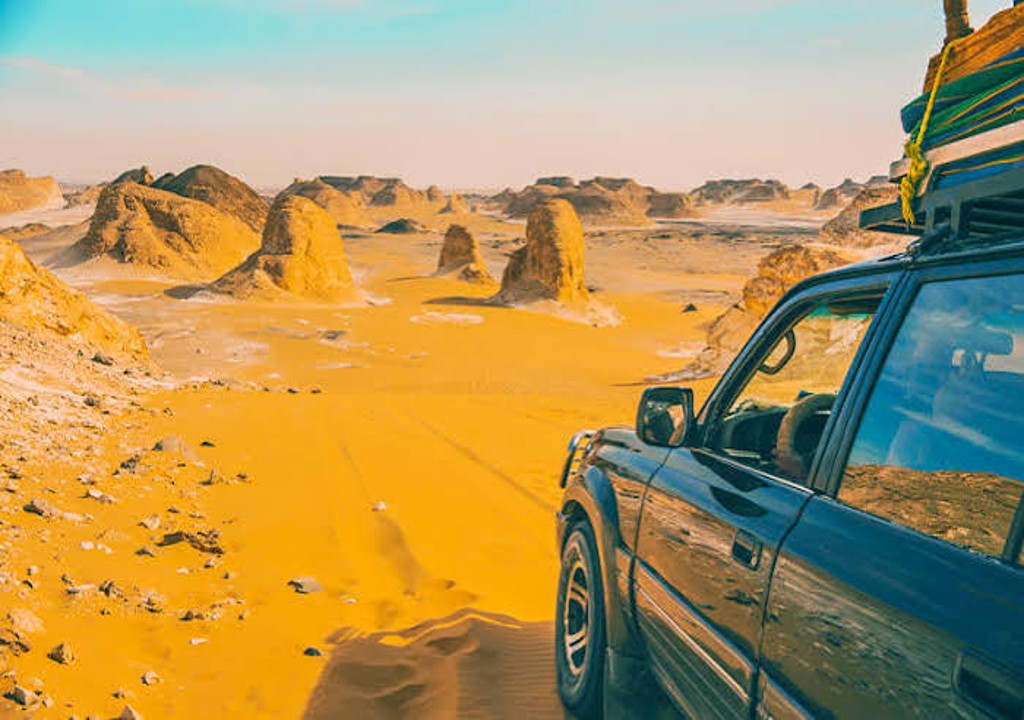
Choosing a stargazing excursion in Hurghada is about the atmosphere as much as the science. Most journeys begin with a 4×4 Jeep safari or a quad bike trek into the heart of the mountains.

Bedouin Hospitality

Many stargazing sites are hosted near Bedouin settlements. Before the telescopes are aligned, guests are usually treated to traditional Bedouin tea—infused with “marmaraya” (desert sage)—and a traditional dinner cooked over an open fire. This cultural immersion adds a layer of timelessness to the evening; you are sitting where nomadic tribes have looked at these same stars for millennia.

Professional Telescopes and Guidance

While the naked eye is enough to be awestruck, professional equipment changes the game. Specialized tours in Hurghada often provide computerized telescopes that can track objects as the Earth rotates. Expert astronomers are usually on hand to point out “star clusters,” “binary stars” (two stars orbiting each other), and even distant galaxies like Andromeda.

Best Time of Year for Stargazing in Egypt

While the stars are always there, your experience will change with the seasons:

  • Winter (December – March): The air is at its clearest, though it can get surprisingly chilly in the desert. This is the best time to see the Orion Nebula and Sirius, the brightest star in the sky.

  • Summer (June – August): The best time for the Milky Way. The nights are warm, making it comfortable to stay out late, though the heat of the day can be intense before the sun sets.

  • Lunar Cycles: For the best visibility, aim for the days around a New Moon. When the moon is full, its light is so bright that it washes out the fainter stars and the Milky Way.

Essential Tips for Your Stargazing Adventure

To ensure you have the best possible experience, keep these SEO-friendly travel tips in mind:

  1. Dress in Layers: Even if it was 35°C during the day at your resort, the desert temperature drops rapidly at night. Bring a jacket or a pashmina.

  2. Avoid Flash Photography: Using a flash will ruin your “night vision.” It takes the human eye about 20 minutes to fully adjust to the dark. If you must use a light, use a red LED torch.

  3. Use an Astronomy App: Download apps like Stellarium or SkySafari before you head out. They use your phone’s GPS to show you exactly which stars you are looking at in real-time.

  4. Bring a Tripod: If you want to capture photos like the one above, a tripod is essential for long-exposure shots.

Conclusion: The Ultimate Guide to Stargazing

Stargazing in Hurghada is a humbling reminder of our place in the universe. It provides a peaceful contrast to the high-energy water sports and bustling markets of the city. Whether you are a photography enthusiast looking for the perfect Milky Way shot or a family wanting to teach your children about the cosmos, the Egyptian desert offers a window into the heavens that is rarely matched elsewhere.

Standing in the silence of the dunes, looking up at a sky shimmering with millions of diamonds, you realize that the greatest show in Hurghada doesn’t happen on a stage—it happens every night, right above your head.

WhatsApp Call Us